
Fence and Deck Staining in Dallas, TX
Paint sits on top of wood. Stain soaks into it. On anything horizontal and exposed to Texas sun, that difference decides how long you keep the wood.



-
What We Do
What Staining Does That Painting Doesn't
Wood outdoors in North Texas has two enemies: ultraviolet light and water. UV breaks down the surface fibers and turns them grey. Water gets in, swells the board, then leaves and shrinks it, and the cycle opens cracks that let in more water.
Paint forms a film over the top. On a vertical surface that works well. On a deck, where the film gets walked on and water sits in puddles, it eventually lifts, and once paint starts peeling off horizontal wood the only honest fix is to strip the whole thing.
Stain works differently. It penetrates the wood rather than coating it, so as it wears it fades rather than flakes. That makes recoating straightforward instead of a removal project, and it leaves the grain visible, which is usually the reason people chose wood in the first place.
The work here is straightforward and the sequence matters: the wood gets cleaned and prepped first, then stained. Staining over a dirty or weathered surface traps the grey underneath and gives a patchy result that fades unevenly.
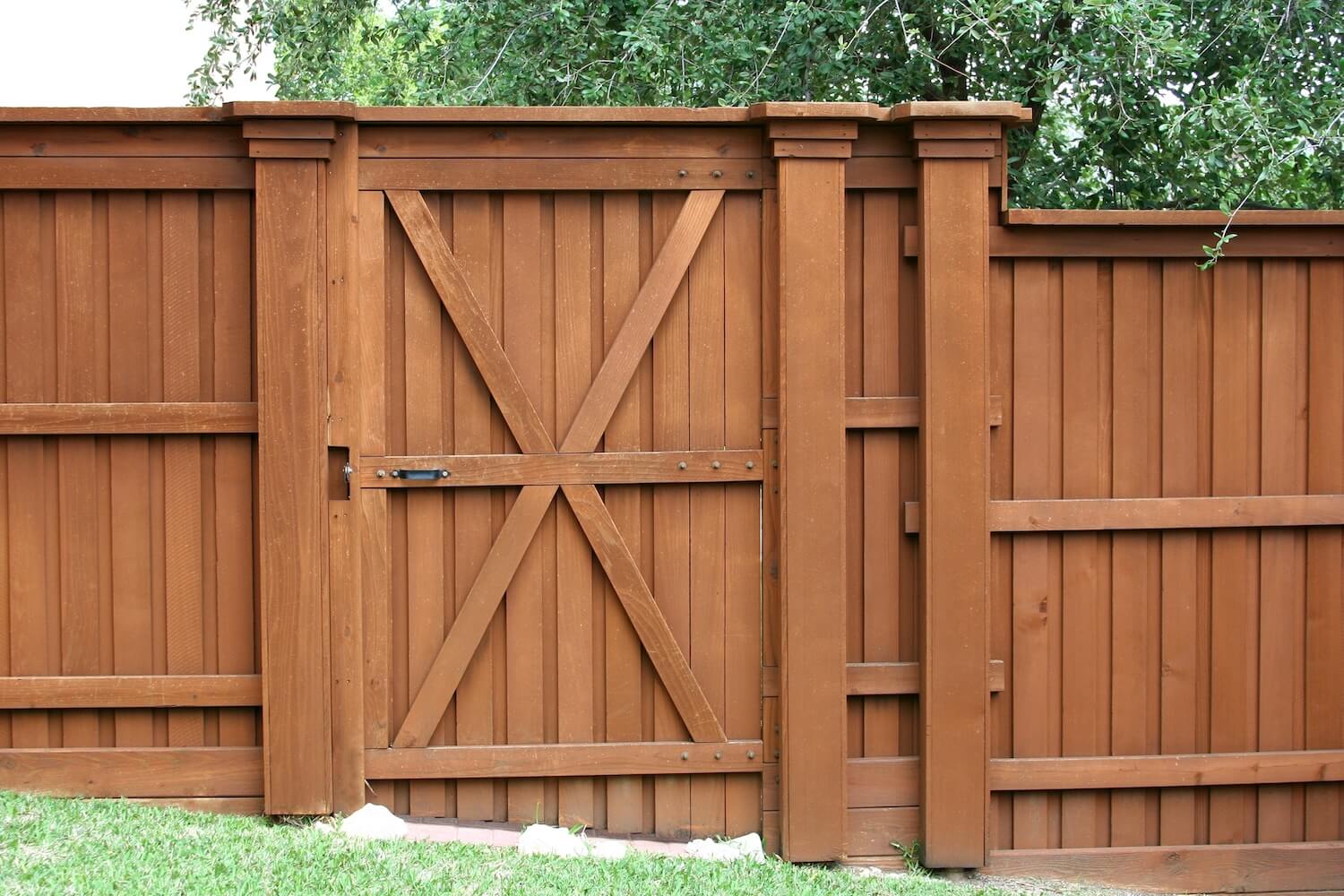
What Comes With a Staining Job
- Assessment of the wood's condition before anything is priced
- Cleaning to remove dirt, mildew and weathered surface material
- Surface preparation so stain absorbs evenly
- Stain applied to protect against weathering and bring out the grain
- Protection of adjacent surfaces, landscaping and hardscape
- Site cleaned on completion
- Final walkthrough with Jose and touch-ups
A word on honesty here, because staining is the service where it matters most. Some wood is past saving. Boards that have rotted through, posts that have failed at the base, or decking that flexes underfoot are structural problems, and staining them is money spent on appearance over a hazard. If that's what Eric finds, he'll say so rather than take the job.
How a Deck or Fence Staining Job Runs
Five steps, start to finish. No surprises in the middle, and no disappearing act at the end.
1. Assess the wood
Before anything else, the condition gets looked at properly. Grey surface fibers clean off. Rot doesn't. Knowing which one you have determines whether this is a staining job at all.
2. Clean
Dirt, mildew and weathered surface material come off. This is the stage that decides whether the finish looks even, because stain absorbs into whatever is there. Clean wood absorbs evenly, dirty wood doesn't.
3. Prep
The surface is prepared so the stain can penetrate rather than sit on top. Adjacent surfaces, plants and hardscape get protected before application.
4. Stain
Applied to protect the wood against weathering while leaving the grain visible.
3-year workmanship warranty
Family owned, father and son
Five stars across hundreds of reviews
5. Clean up and walk it
The site gets cleared and you go through the work with Jose.
-
The Portfolio
Stained Decks and Fences Around Dallas County
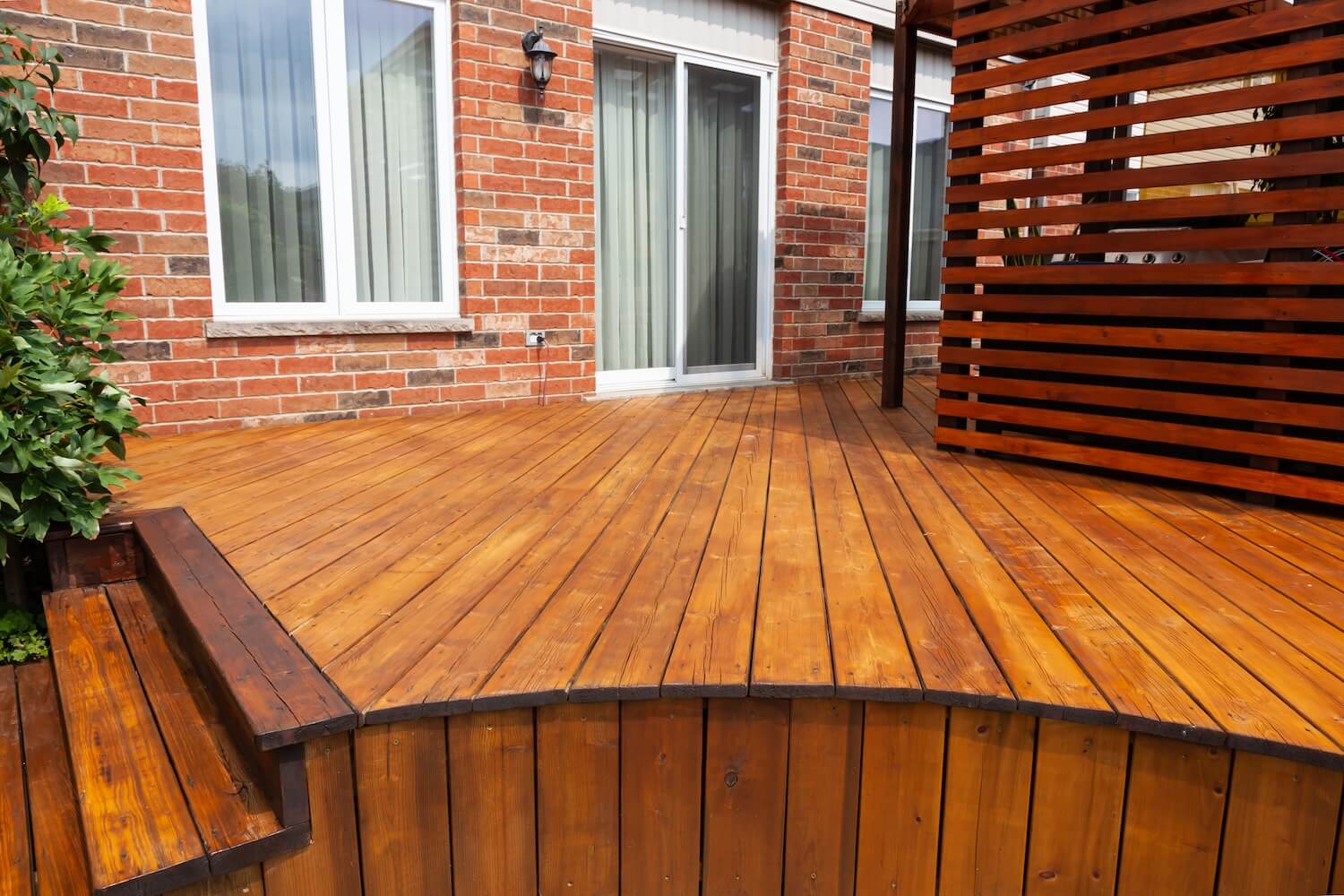
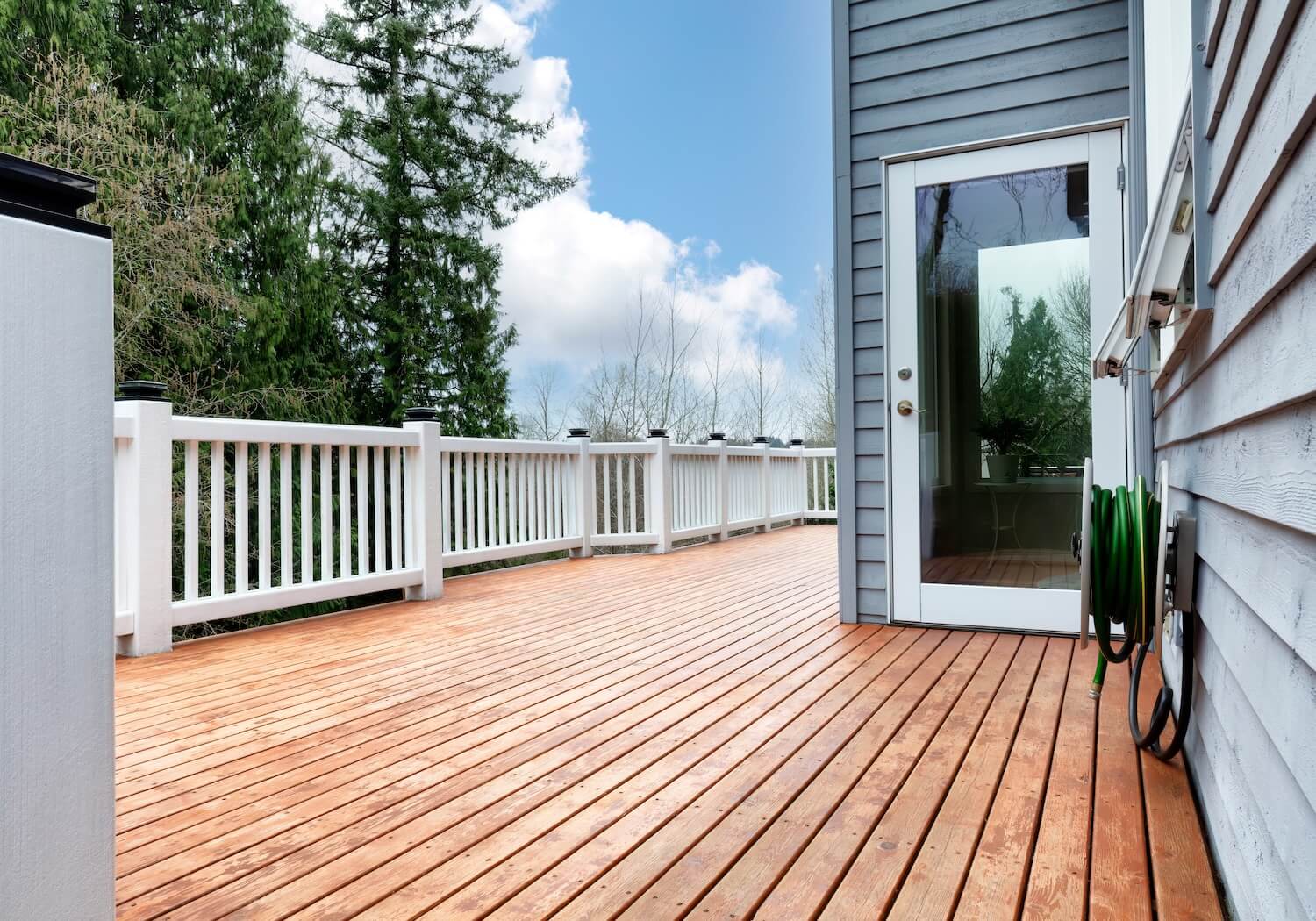
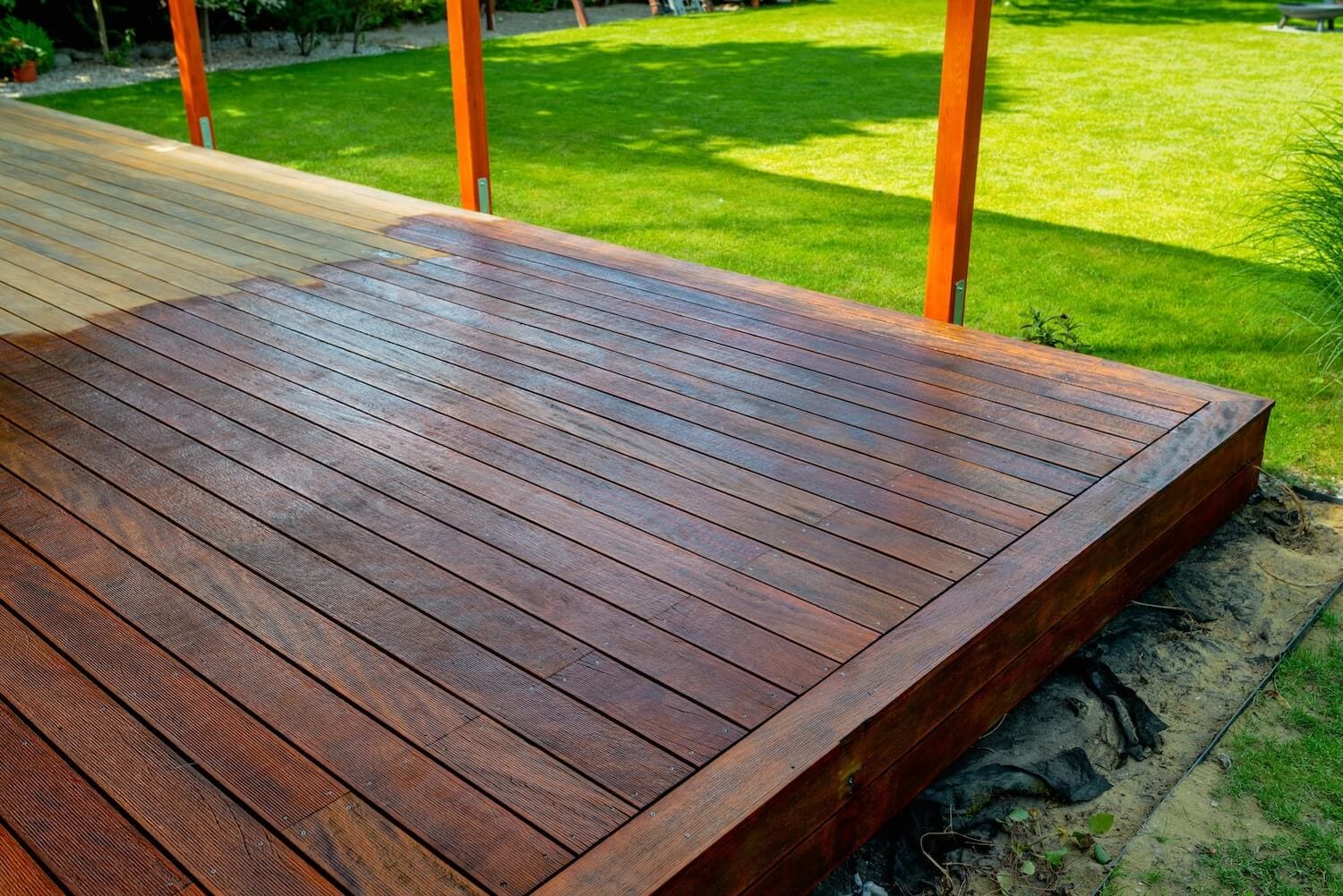
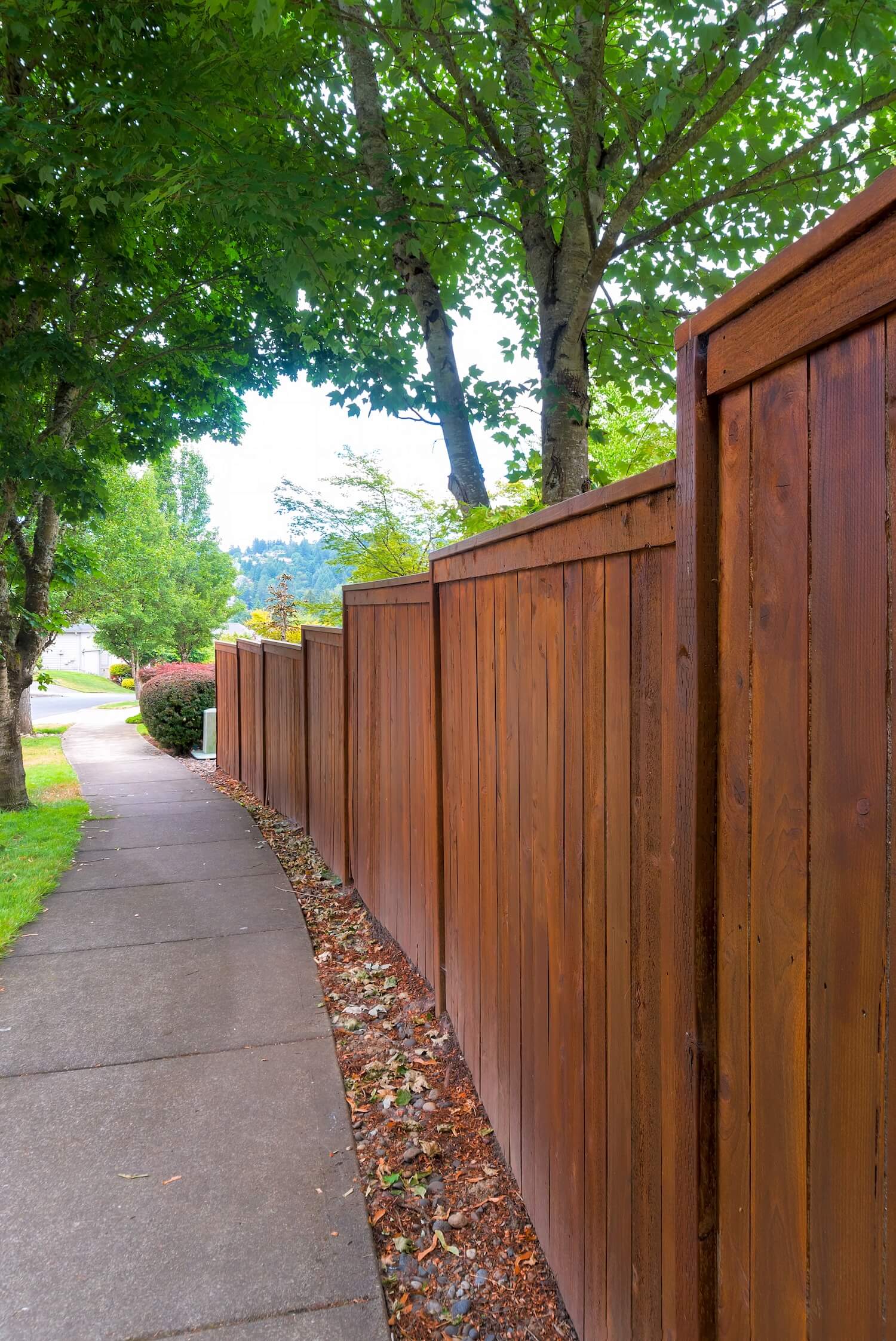
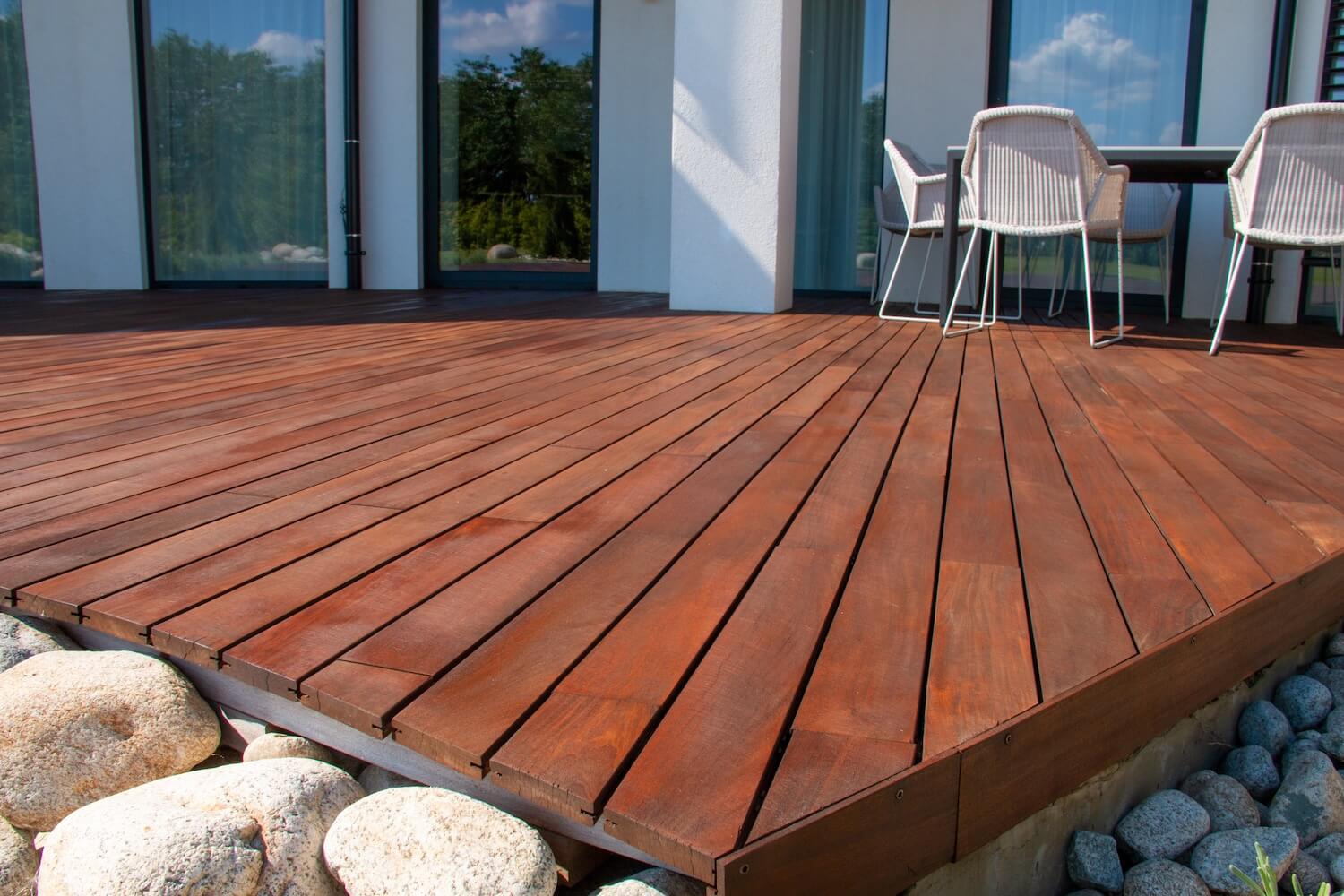
Grey to grain. The before-and-after on wood is one of the more satisfying ones, mostly because homeowners assume the boards are finished and they usually aren't.
-
Often Booked Together
Services That Pair With Wood Staining
Cabinet painting and refinishing
The most common pairing by a distance. The crew is already inside and set up, and a dated kitchen undercuts freshly painted walls.
Exterior painting
The natural pairing by a distance. The crew is already outside, access and protection overlap, and a stained fence against faded siding just moves your eye to the siding.
Interior Painting
Frequently combined when a house is being prepared to list.